|
Communication with Officials
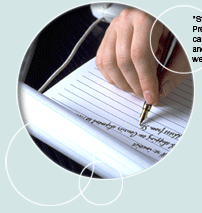
Letters are an extremely important tool in advocacy.
Public officials expect to receive mail from constituents. They depend on input from the public to do their jobs. Often legislators rely on letters and calls to help decide how they will vote. Letters are one of the best ways to communicate your message—you have time to be sure you are understood and it is permanent—they can refer
back to it as needed.
|
 |
On an occasion of this kind it becomes more than a moral duty to speak one's mind. It becomes a pleasure.
—Oscar Wilde
Communication Tips
• You don't have to be an expert, just explain your point of view.
• Be brief. You don't get extra points for more words or extra statistics.
• Be polite, respectful and reasonable.
• Use your own words—do not pull out a thesaurus.
• Personal stories and observations are the most persuasive
• Be clear—avoid jargon or overly technical language.
• Be specific about your concern and what you want the official to do about it.
• It is best to address only one issue in a letter.
• If you are a constituent, say so in the first paragraph.
• Call the official's office or visit their website beforehand to get the correct address, title and spelling. For example— who should be addressed "The Honorable" and who shouldn't.
• Be sure your letter is legible. It doesn't have to be typed, but it should be easy to read.
• Include your name, address, phone number and other contact information on the letter. Don't rely on your return address—envelopes often get separated from letters.
• Triple check your work. Have a friendly "editor" look it over before you send it.
Visit our Congressional Directory for addresses of Illinois representatives.
Tips on calling a policymaker
|